
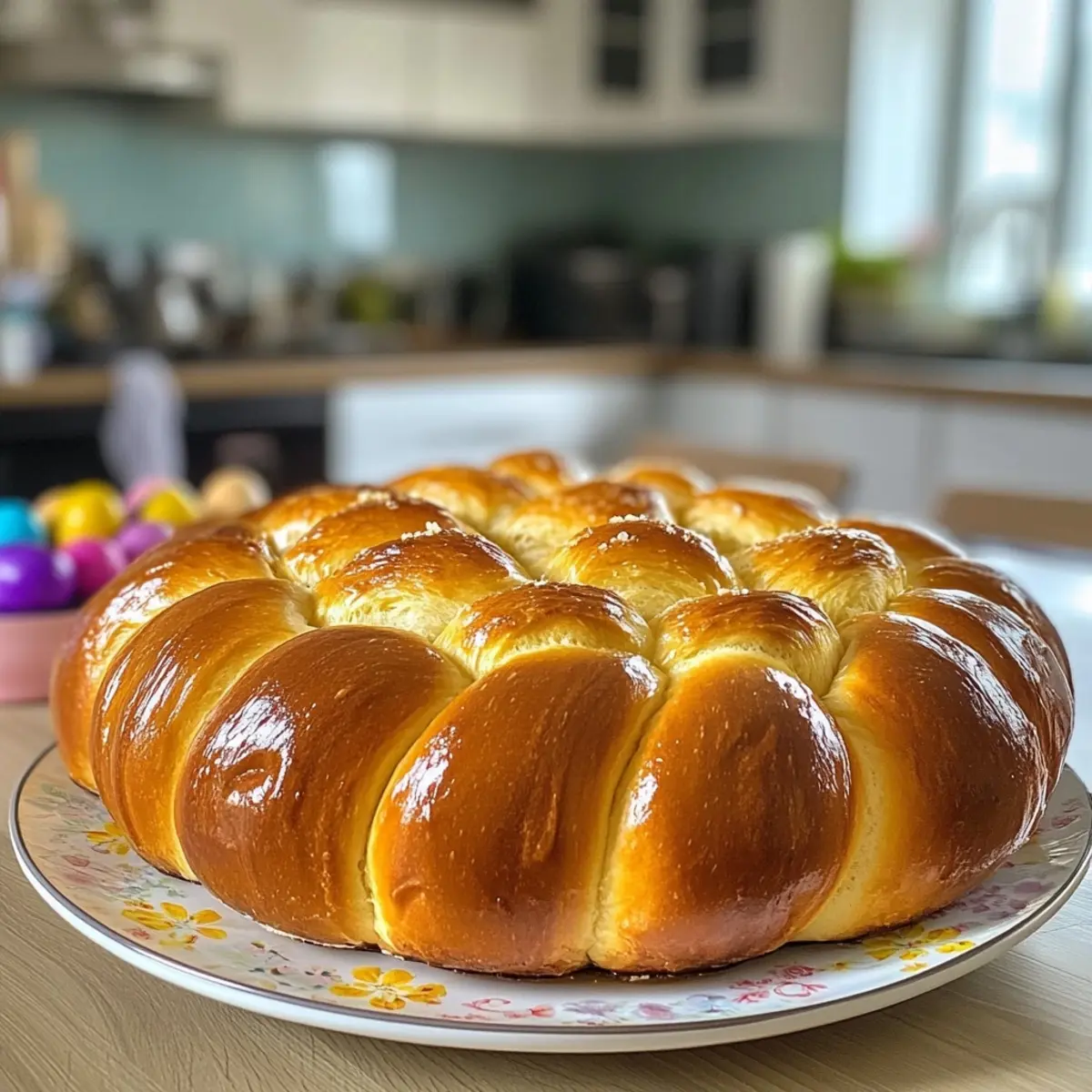
As the days grow longer and the air becomes fragrant with the promise of spring, I find myself excitedly preparing for Easter. This year, I wanted to bring a taste of tradition to the table with a creation that not only delights the palate but also celebrates the season’s renewal. Enter my beloved Easter Bread Recipe—a stunning centerpiece infused with the bright essence of citrus zest, adorned with colorful dyed eggs that signify new beginnings.
Cooking this sweet, tender loaf brings a sense of joy and nostalgia, as each twist and braid becomes a meaningful ritual in my kitchen. The aroma of warm butter and sugar fills the air, transporting me to cherished family gatherings where laughter and delicious food come together. Whether you’re hosting a festive brunch or simply indulging in an afternoon treat, this Easter bread promises to be a crowd-pleaser with its soft, pillowy texture and vibrant look. Join me as we dive into this delightful recipe that can easily adapt to your culinary preferences, making it perfect for any family tradition!

Why is this Easter Bread Recipe so Special?
Tradition: This recipe connects us to rich cultural celebrations, captivating hearts and taste buds alike.
Versatility: Want to spice it up? Feel free to experiment with different spices or fillings!
Aromatic Bliss: The fragrance of citrus zests wafting through your kitchen will make your mouth water.
Visual Appeal: Decorated with colorful eggs, this bread takes center stage at any holiday gathering, creating a joyful atmosphere.
Simple Steps: Even novice bakers can whip it up with ease, making it accessible for everyone.
Crowd-Pleaser: Whether enjoyed warm with butter or as part of a festive spread, this Easter bread is sure to impress—even alongside treats like Cozy Persimmon Bread.
Easter Bread Ingredients
For the Dough
• All-purpose flour – Provides structure and tenderness to the dough.
• Rapid rise instant yeast – Ensures quick and efficient dough rising so you can enjoy your Easter bread in no time!
• Whole milk – Adds richness and moisture, contributing to a soft dough that melts in your mouth.
• Butter – Enriches the texture, resulting in a delightful flavor and softness.
• Granulated sugar – Sweetens the bread and aids in achieving a golden-brown crust.
• Eggs – Enhances the dough’s richness, giving it a lovely golden hue and serving as a binding agent.
For the Flavor
• Lemon zest – Adds a refreshing citrus aroma that elevates the bread’s flavor profile.
• Orange zest – Complements the lemon and brings a sweet, vibrant brightness to the dough.
• Vanilla extract – Enhances the warm, sweet flavors for a comforting aroma.
For Decoration
• Uncooked dyed Easter eggs – A traditional touch, symbolizing new life and making your bread visually stunning.
• Colorful sprinkles – Adds festive visual appeal and a touch of sweetness to the final presentation.
Discover how each ingredient in this Easter bread recipe contributes to creating a truly special holiday treat!
How to Make Easter Bread
- Combine: In a large bowl, mix together two cups of all-purpose flour, granulated sugar, rapid rise instant yeast, and the zests of lemon and orange until evenly incorporated. This will give your bread that lovely citrus kick!
- Warm: Gently heat the whole milk and butter together until warm, about 110°F. Whisk in the eggs and vanilla extract, ensuring everything is well combined. This mixture adds richness to your dough.
- Mix Together: Pour the warm liquid into the dry ingredients, stirring to create a thick batter. You want it to be a little sticky; that’s how you know it’ll be tender.
- Knead: Gradually add the remaining flour, kneading the dough by hand or with a stand mixer until it pulls away from the sides and feels smooth and elastic. This should take about 5-7 minutes.
- Rest: Let the dough rest for 15 minutes in a warm place. This allows the gluten to relax and makes it easier to shape later.
- Divide: Divide the dough into 8 equal pieces and roll each into an 11-inch rope. This is where creativity comes in—make them as thick or thin as you like!
- Braid: Take two ropes and gently braid them together, forming a lovely ring. Pinch the ends firmly to seal them, ensuring no separation during baking.
- Rise: Place the braided dough on a baking sheet, cover with a clean cloth, and let it rise in a warm area until puffy, about 30-60 minutes. You’re building anticipation for that delicious aroma!
- Bake: Preheat your oven to 375°F. Brush the dough with egg wash, add the uncooked dyed Easter eggs, sprinkle with colorful sprinkles, and bake for 20 minutes or until golden brown and fragrant.
Optional: Serve slices warm with butter and honey for a delightful treat.
Exact quantities are listed in the recipe card below.
What to Serve with Easter Bread?
Celebrate the spirit of Easter with an array of delightful pairings that beautifully complement this sweet, tender loaf.
- Creamy Butter: Spread a generous pat of velvety butter on warm slices for a rich, comforting taste that enhances the bread’s sweetness.
- Honey drizzle: A drizzle of honey adds a luscious sweetness that harmonizes with the citrus notes of the bread, making each bite irresistible.
- Fresh Fruit Salad: Serve alongside a vibrant fruit salad; the fruity freshness balances the sweetness of the bread, creating a refreshing contrast.
- Warm Beverages: Pair with a soothing cup of chamomile tea or a rich coffee to enhance the flavors of the bread while providing a cozy vibe.
- Yogurt with Berries: A bowl of creamy yogurt topped with fresh berries offers a light, tart counterpart that elevates the indulgence of your festive meal.
- Whipped Cream: For dessert enthusiasts, a dollop of homemade whipped cream lovingly spooned over slices provides a sweet, airy touch that delights the senses.
- Easter Egg Hunt Treats: Serve your Easter bread alongside fun, colorful treats from an Easter egg hunt, making your table festive and joyful.
- Citrus Sorbet: For a light variation, a scoop of lemon or orange sorbet adds a refreshing, zesty bite that echoes the citrus in the bread.
Craft these pairings into your Easter brunch to create a vibrant, memorable feast centered around your beloved Easter Bread.
Expert Tips for the Best Easter Bread
- Warm Liquid Matters: Always ensure your milk mixture is warm, around 110°F. If it’s too hot, it can kill the yeast, preventing your dough from rising.
- Proper Dough Rising: Allow the dough to rise adequately until it doubles in size. Rushing this step may result in a denser texture instead of the light, fluffy Easter Bread you desire.
- Gentle Handling: Be gentle while kneading and shaping. Rough handling can deflate the dough and reduce the air bubbles essential for a soft crumb.
- Secure Braids: When braiding, be sure to pinch the ends securely. This is vital to keep your bread intact during baking and maintain its beautiful shape.
- Rotating for Evenness: Don’t forget to rotate the baking sheet halfway through the baking time. This helps achieve even browning all around and enhances the overall appearance of your Easter bread.
Easter Bread Recipe Variations
Feel free to explore these delightful twists that can personalize your Easter Bread experience!
- Italian Twist: Incorporate anise seeds or extract for a classic Italian flavor that adds a new depth of aroma.
- Greek Flair: Try adding a teaspoon of mahlab, a ground cherry pit that offers a sweet, floral taste reminiscent of your favorite Mediterranean bakery.
- Dried Fruits: Mix in golden raisins, chopped apricots, or dried cranberries for a burst of natural sweetness and chewy texture.
- Chocolate Hazelnut Delight: Before braiding, spread chocolate hazelnut spread on the dough, roll it up, and then braid for a luxurious twist.
- Nutty Crunch: Add chopped almonds or walnuts to the dough for a delightful crunch that contrasts beautifully with the soft bread.
- Spiced Version: Add a pinch of cinnamon or nutmeg to the dough to impart warming spices, making it perfect for cozy gatherings.
- Vegan Option: Substitute the milk with almond or soy milk, and replace the eggs with flaxseed meal or a commercial egg replacer for a plant-based version.
- Fruity Glaze: Drizzle a lemon or orange glaze over the baked bread for an extra zingy finish that’s sure to impress your guests.
Each variation carries its unique charm, inviting you to weave your personal traditions into this festive centerpiece.
How to Store and Freeze Easter Bread
Room Temperature: Store cooled Easter bread in a breathable cloth bag or on a plate, covered with a cloth for up to 3 days to maintain freshness.
Fridge: If you anticipate keeping it longer, wrap tightly in plastic wrap and store in the fridge for up to a week. This will prevent it from drying out.
Freezer: To freeze, wrap slices in plastic wrap followed by aluminum foil or place in an airtight container. It lasts up to 3 months; thaw at room temperature or warm in the oven before serving to restore its lovely texture.
Reheating: Warm slices in a preheated oven at 350°F for about 10 minutes to revitalize the softness and flavor of your Easter bread.

Easter Bread Recipe FAQs
What type of flour is best for this Easter Bread recipe?
Absolutely! I recommend using all-purpose flour for this Easter Bread recipe, as it provides the perfect balance of structure and tenderness. If you want a slightly richer flavor, you can mix in a bit of whole wheat flour, but keep it to about 25% of the total flour amount to maintain the bread’s light texture.
How should I store leftover Easter Bread?
For sure! Store your cooled Easter bread in an airtight container at room temperature for up to 3 days. If you anticipate it lasting longer, keep it in the fridge wrapped tightly in plastic wrap, where it can last up to a week without drying out.
Can I freeze Easter Bread? How should I do it?
Absolutely! To freeze your Easter Bread, first wrap it tightly in plastic wrap, then cover it with aluminum foil or place it in an airtight container. It will keep well for up to 3 months. When you’re ready to enjoy, simply thaw it out at room temperature, or pop it in a preheated oven at 350°F for about 10 minutes to restore its fresh-baked flavor.
What should I do if my dough doesn’t rise properly?
Oh no! If your dough doesn’t rise, it could be due to the yeast being expired or the liquid being too hot, which can kill it. Check the liquid temperature to ensure it’s around 110°F! If the dough doesn’t rise, you can try moving it to a warmer spot (around 75 to 80°F) and giving it more time. Sometimes letting it rise for an additional 30 minutes can make a big difference!
Can I make this Easter Bread recipe with dietary restrictions in mind?
Very much! This Easter Bread is vegetarian-friendly, and if you need it to be dairy-free, you can substitute the whole milk with almond milk and use dairy-free butter. For eggs, you can use flax eggs (1 tablespoon of ground flaxseed mixed with 2.5 tablespoons of water per egg) for those who may have an egg allergy. Just be sure to adjust baking times slightly since replacements can alter texture.
How can I alter the flavor of my Easter Bread?
The more the merrier! Feel free to experiment with flavors! You could add a teaspoon of anise extract for a unique taste or mix in dried fruits like golden raisins or cranberries for added sweetness and texture. You can even fill the dough with chocolate hazelnut spread before braiding for a decadent twist!

The Best Easter Bread Recipe: Sweet Citrus Bliss Awaits
Ingredients
Equipment
Method
- In a large bowl, mix together two cups of all-purpose flour, granulated sugar, rapid rise instant yeast, and the zests of lemon and orange until evenly incorporated.
- Gently heat the whole milk and butter together until warm, about 110°F. Whisk in the eggs and vanilla extract.
- Pour the warm liquid into the dry ingredients, stirring to create a thick batter.
- Gradually add the remaining flour, kneading the dough by hand or with a stand mixer until smooth and elastic.
- Let the dough rest for 15 minutes in a warm place.
- Divide the dough into 8 equal pieces and roll each into an 11-inch rope.
- Take two ropes and gently braid them together, forming a ring.
- Place the braided dough on a baking sheet, cover with a clean cloth, and let it rise until puffy, about 30-60 minutes.
- Preheat your oven to 375°F. Brush the dough with egg wash, add the uncooked dyed Easter eggs, sprinkle with colorful sprinkles, and bake for 20 minutes.
Nutrition
Notes
Tried this recipe?
Let us know how it was!



Leave a Comment